Bali looks small on a map, but its roads are narrow, busy and slow, and a 40 km drive can take two hours. This route is built around that: four bases in a logical loop, the early starts that beat both heat and tour buses, and a final stay near the airport so the last day is not spent in a car.
Day 1: Arrive and head to Ubud
Ngurah Rai International Airport sits in the south, and the drive to Ubud takes one to two hours depending on the time of day. Book a hotel transfer or a fixed-price airport taxi rather than negotiating outside. Keep the first evening light: a walk down Jalan Monkey Forest, dinner at a local warung, and an early night, because the next mornings start early.
Day 2-4: Ubud
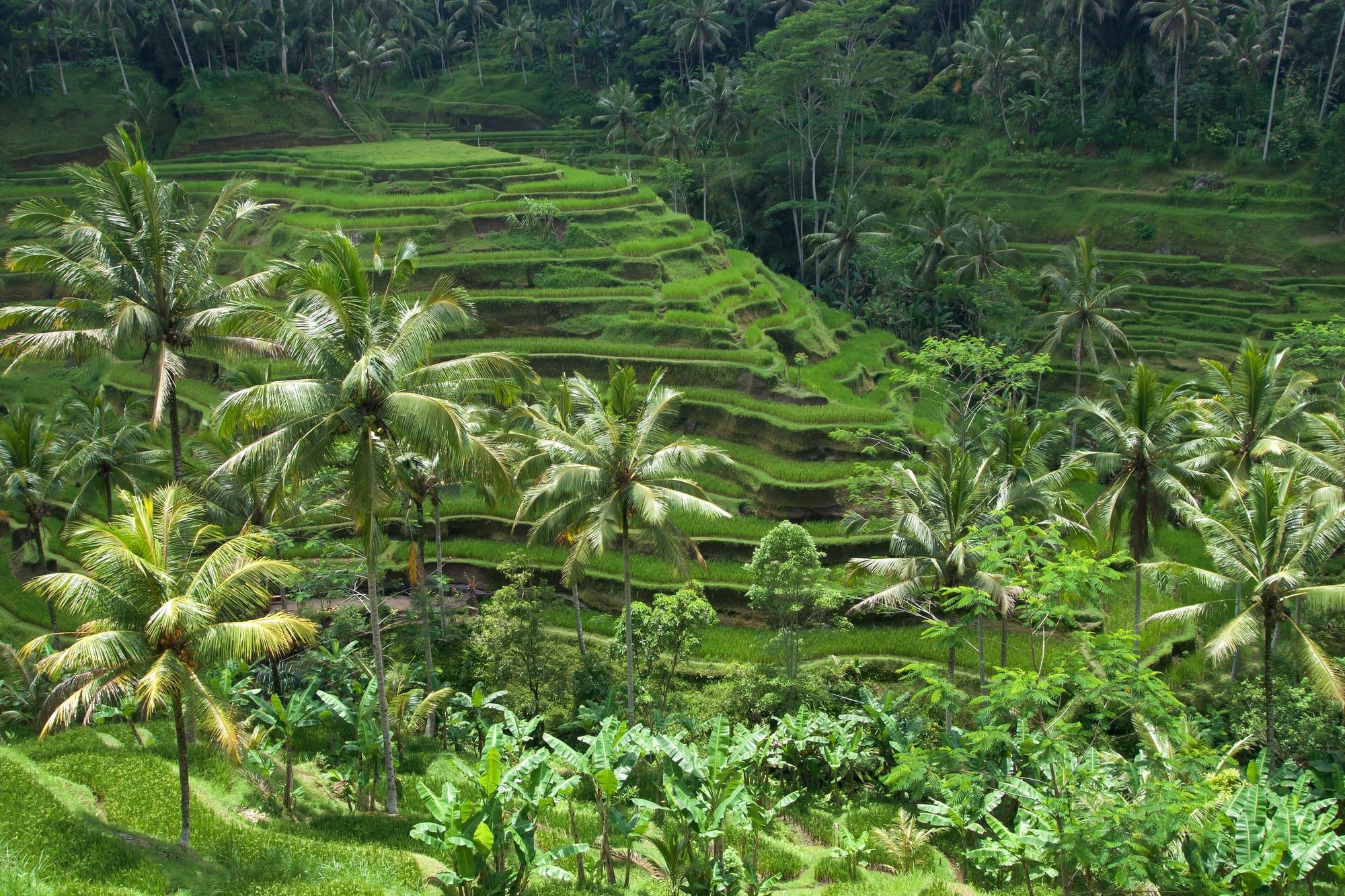
Start day two at the Tegallalang rice terraces, about 25 minutes north of town, before 8am while the light is soft and the swings and cafes are still quiet. Continue north to Tirta Empul in Tampaksiring, the spring-fed water temple where Balinese Hindus bathe under a row of spouts; visitors can join the purification ritual in a sarong. Back in Ubud, the Sacred Monkey Forest Sanctuary is best visited mid-afternoon (keep bags zipped and food out of sight), followed by the royal palace and Ubud Market.
Day three is for the Campuhan Ridge Walk at sunrise, an easy 2 km ridge path between two river valleys, then Goa Gajah (the Elephant Cave) and a cooking class or a Balinese dance performance at the palace in the evening. On day four, either sign up for the Mount Batur sunrise trek (pickup around 2am to 3am, roughly two hours of climbing in the dark, a guide is the norm) or make the longer trip west to the Jatiluwih rice terraces, which are far larger and far less crowded than Tegallalang.
Day 5-6: Sidemen and the east
Sidemen is a valley of rice fields and weaving villages under Mount Agung, about 1.5 hours east of Ubud, and it feels like Ubud did before the traffic. Spend the first afternoon walking the paddy paths with a local guide, who can explain the subak irrigation system that shares water between farms.
On day six, go early to Lempuyang Temple for the “Gates of Heaven” view toward Agung. Be aware that the famous water reflection is a trick done with a mirror under the phone, and the queue for the photo can run over an hour. Tirta Gangga water palace, with its ponds and stepping stones, is about 30 minutes further on and makes a calmer second stop. Besakih, the island’s mother temple, is also within reach of Sidemen if you prefer it.
Day 7-8: Nusa Penida
Drive to Sanur (around 1.5 hours) for a fast boat to Nusa Penida, a crossing of roughly 45 minutes. Stay two nights: day trips from Bali mean a long day with very little time on the island itself. Penida’s roads are steep, narrow and often broken, so hire a car with a driver instead of a scooter unless you are an experienced rider.
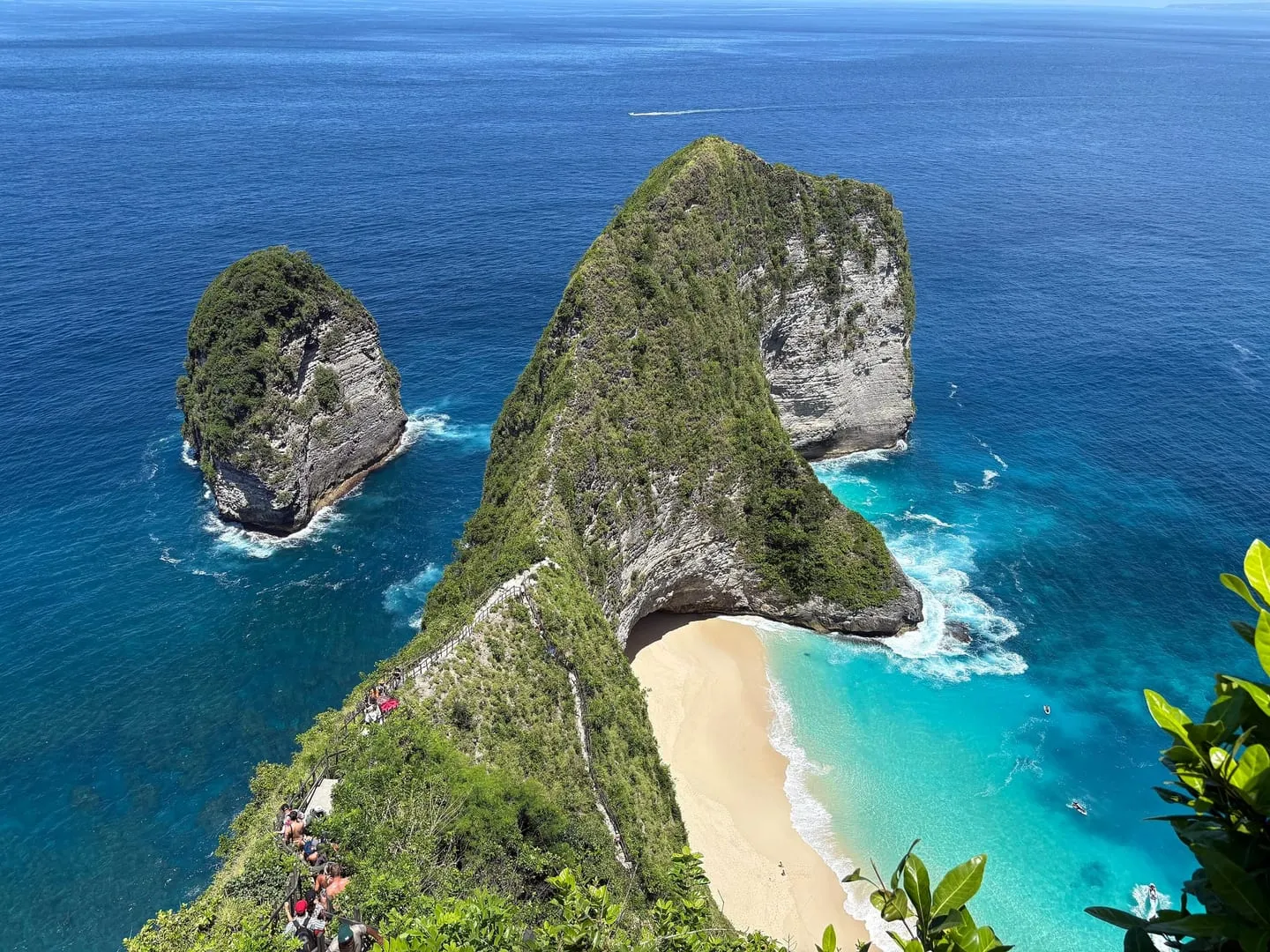 The path down to Kelingking Beach is steep and partly a scramble; for most people the clifftop view is the part worth the trip.
On day seven do the west coast: Kelingking, Broken Beach and Angel’s Billabong, arriving at Kelingking first thing before the day boats land. Day eight is for a snorkelling trip to Manta Point, where reef mantas feed most of the year, or the east coast’s Diamond Beach and Atuh Beach, which need a long set of stairs cut into the cliff.
Day 9-10: Uluwatu and the Bukit
Take the boat back to Sanur and drive about an hour to the Bukit peninsula, Bali’s limestone southern tip. Spend the afternoon on a cliff-backed beach such as Padang Padang, Bingin or Melasti, then head to Pura Luhur Uluwatu for sunset and the Kecak fire dance performed on the clifftop amphitheater.
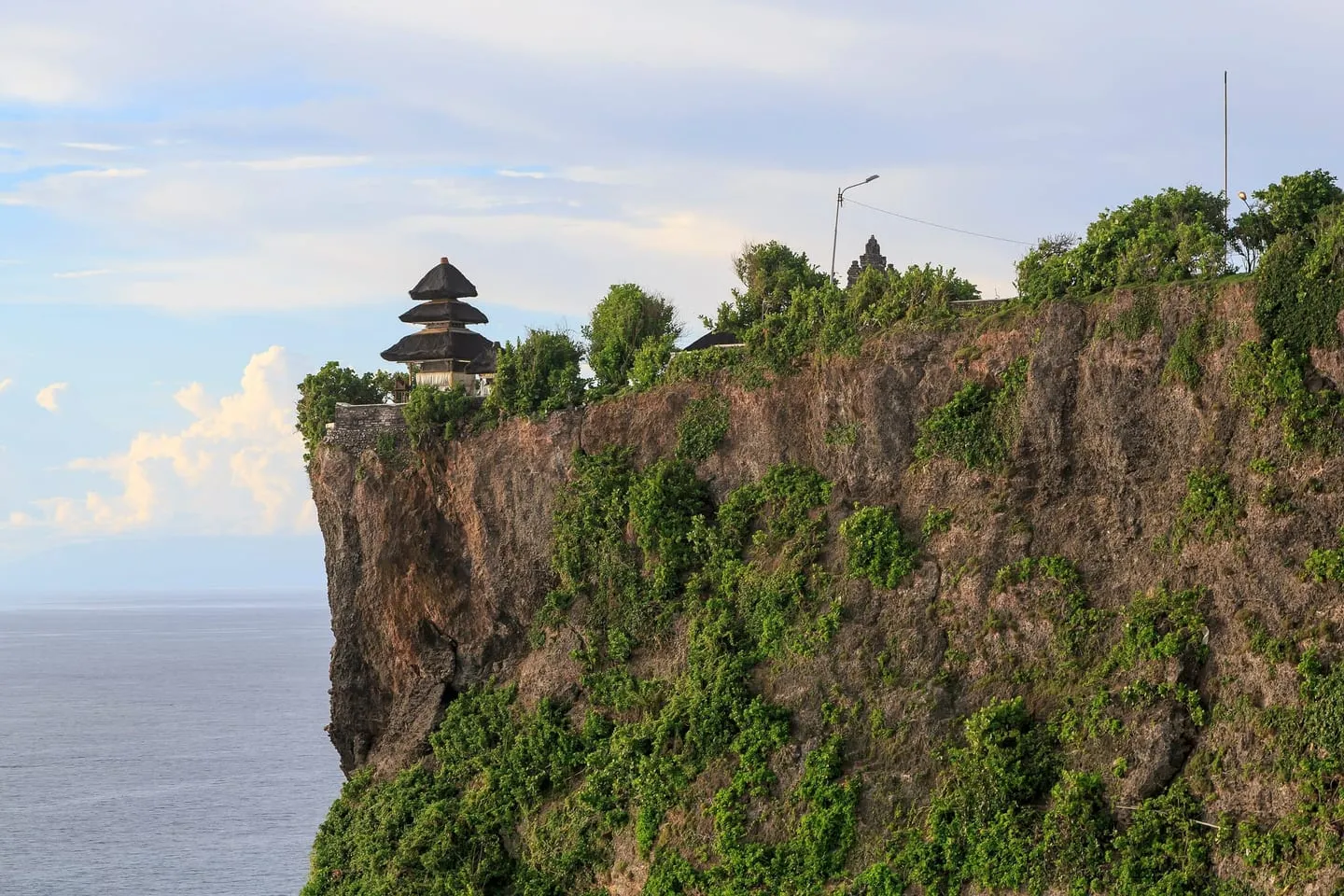 The temple’s monkeys grab sunglasses, hats and phones, so keep anything loose inside a closed bag.
Arrive at least an hour before the dance, since the seating fills well before sunset. Day ten is a slow morning on the beach or a surf lesson; the airport is 30 to 60 minutes away, which makes the Bukit the easiest base for a departure day.
Practical tips
Getting around: a private driver hired for the day is the easiest option for the Ubud, Sidemen and Uluwatu legs; agree the price and the route the evening before. Grab and Gojek work in most areas, but some villages, including parts of Ubud, have local taxi zones where app pickups are not allowed. Riding a scooter legally needs an International Driving Permit that covers motorcycles, and police do check.
Money and entry: carry cash in rupiah for warungs, temple donations and sarong rentals, and use ATMs attached to a bank branch. Pay the tourism levy online before you fly, and check whether your nationality needs a visa on arrival.
When to book: the dry season from April to October is the most reliable, with July and August the busiest and most expensive. Book Nusa Penida accommodation and your drivers well ahead in those months. Avoid arriving on Nyepi, the Balinese Day of Silence (usually in March), when the whole island, the airport included, shuts down for 24 hours.


_of_Nusa_Penida,_Bali_(2025)_-_img_09.jpg)
