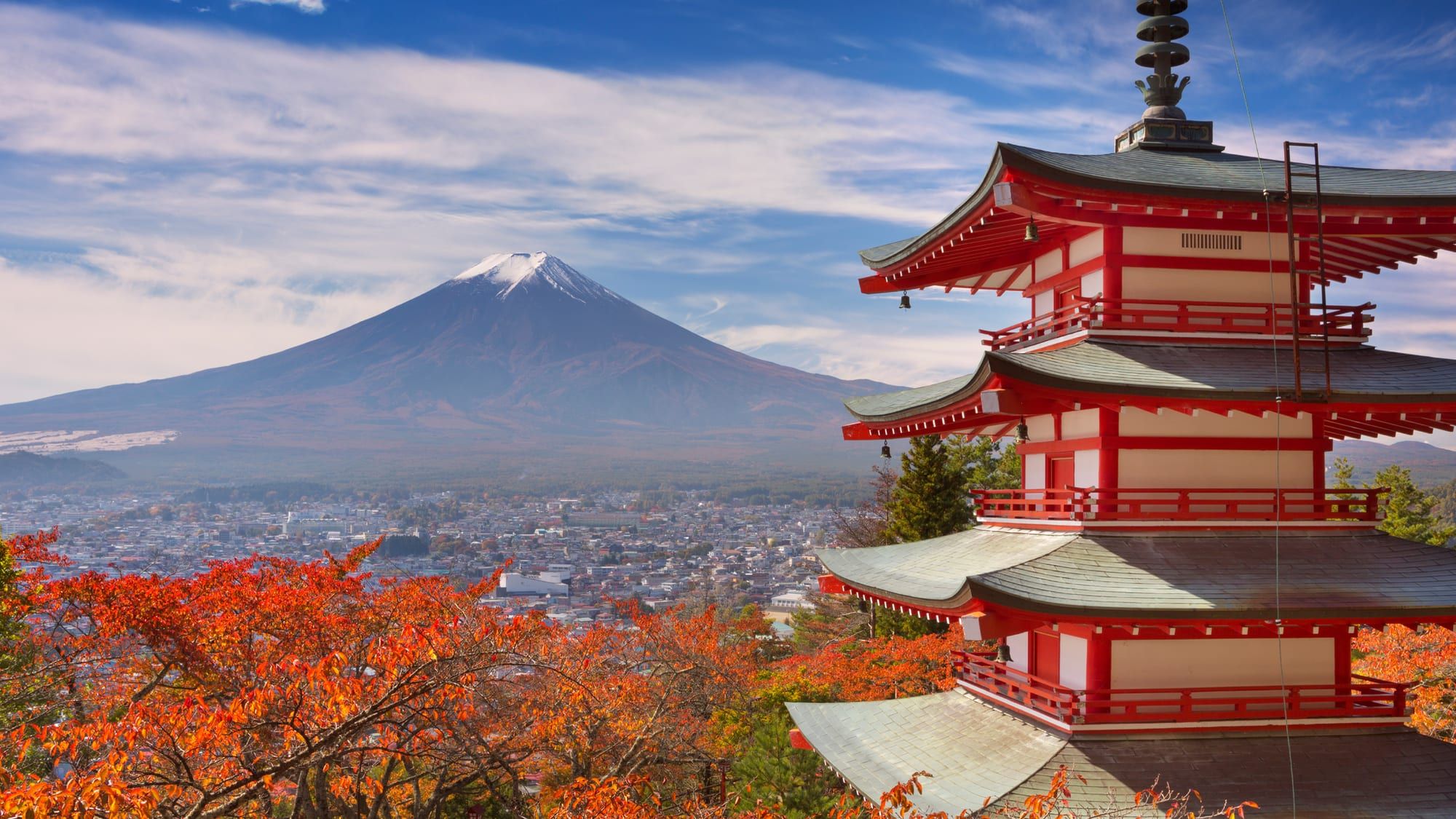
Japan rewards a first-timer who splits their week between Tokyo’s scale and Kyoto’s stillness, with a mountain detour in between. This route keeps travel time low — two Shinkansen legs, no more — while covering the sights most people come for.
Day 1–2: Tokyo
Start in Shibuya and Shinjuku for the scale of the city — the Shibuya Crossing, Shinjuku Gyoen, and an evening in Golden Gai’s tiny bars. On day two, head east to Asakusa for Senso-ji Temple, then Akihabara for electronics and anime culture, finishing at the Tokyo Skytree or Tokyo Tower for a night view over the city.
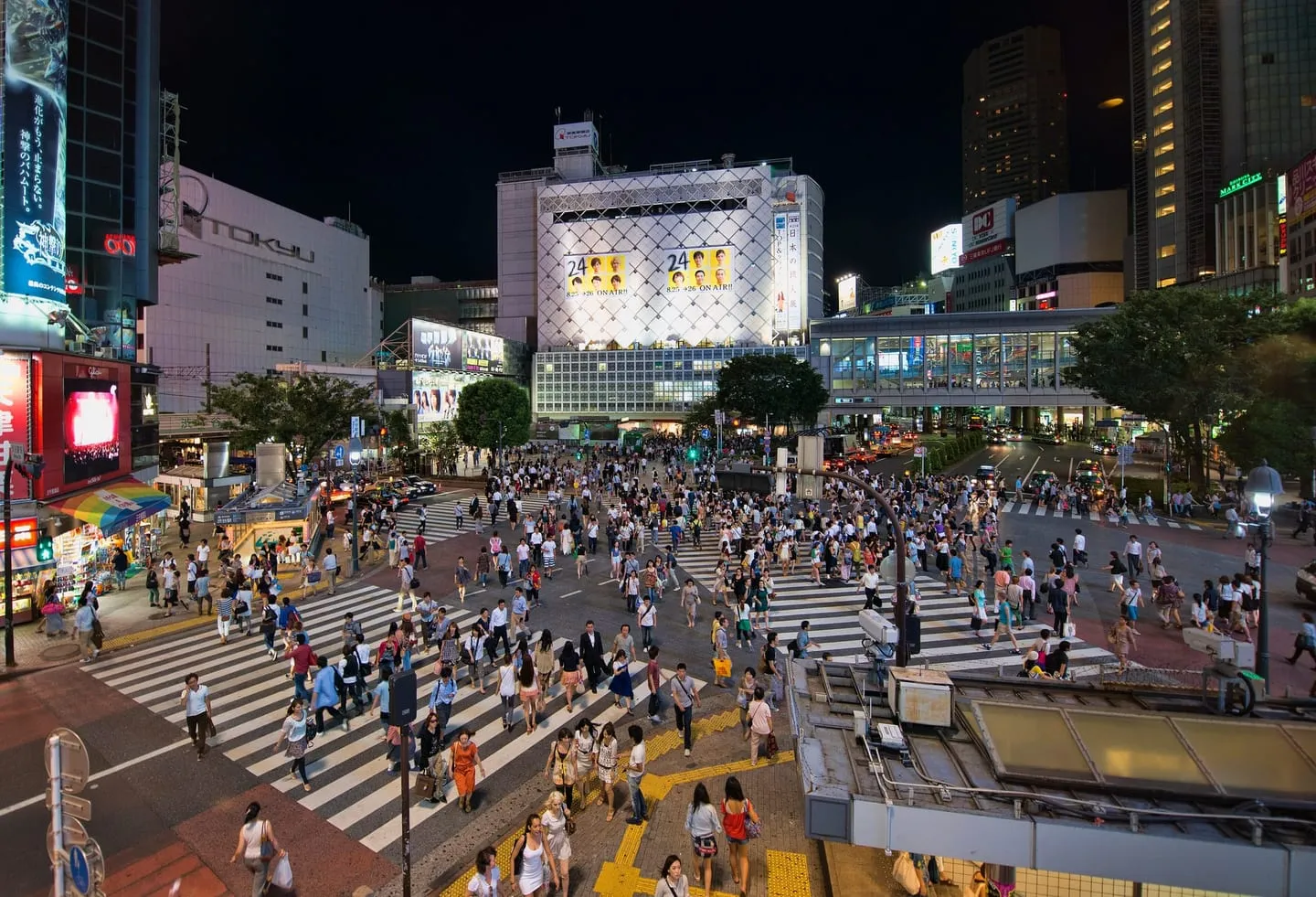 The crossing reads best from above: the upper floors of Shibuya station and the cafes around the square look straight down on it.
Day 3: Hakone (day trip)
Take the Odakyu Romancecar from Shinjuku to Hakone, about 90 minutes. Ride the Hakone Ropeway over the sulfur vents of Owakudani, then cross Lake Ashi by pirate-ship ferry — on a clear day, Mt. Fuji is visible from the water. Soak in an onsen before heading back to Tokyo, or stay overnight in a ryokan if your schedule allows.
Day 4–5: Kyoto
Take the Shinkansen to Kyoto (about 2 hours 15 minutes from Tokyo). Spend day four at Fushimi Inari’s thousand torii gates early (before the tour buses), then Kiyomizu-dera and the Higashiyama district in the afternoon. Day five: Arashiyama’s bamboo grove and the Tenryu-ji garden in the morning, then Kinkaku-ji (the Golden Pavilion) and the Gion district in the evening for a chance at spotting a geisha on her way to an appointment.
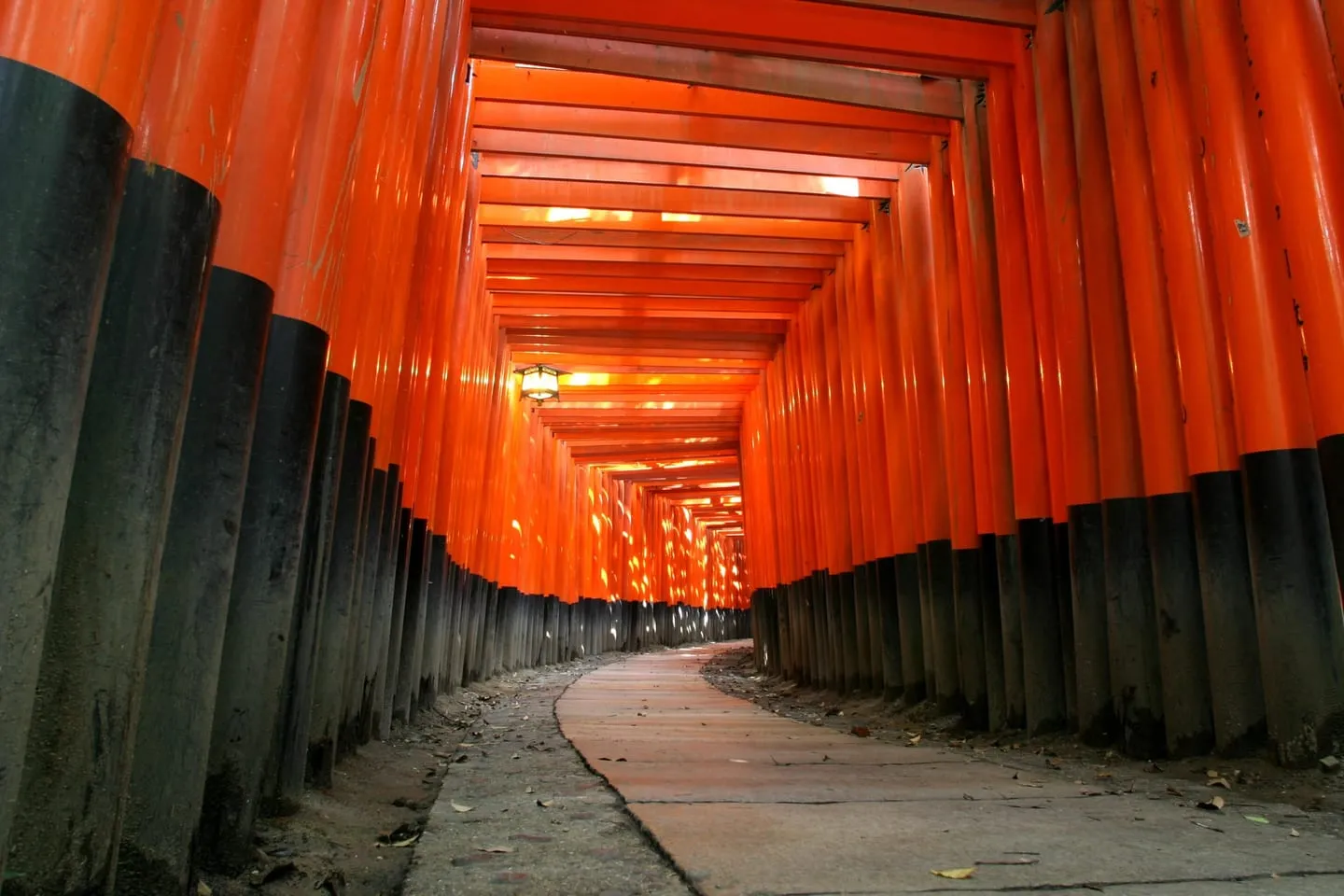 The torii thin out and so do the crowds as you climb: most visitors turn back before the Yotsutsuji viewpoint, about halfway up.
Day 6: Nara (day trip)
A 45-minute train from Kyoto gets you to Nara, home to Todai-ji’s Great Buddha Hall — the largest wooden building in the world — and Nara Park, where over a thousand wild-but-tame deer roam freely and will bow for crackers.
Day 7: Osaka
Finish in Osaka, about 15 minutes from Kyoto by Shinkansen. Spend the morning at Osaka Castle, then Dotonbori in the afternoon for street food — takoyaki, okonomiyaki — before departing from Kansai International Airport.
Practical tips
Book Shinkansen seats for the Tokyo–Kyoto and Kyoto–Osaka legs a few days ahead in peak season (cherry blossom and autumn). Get a Suica or Pasmo IC card on arrival for trains, buses, and convenience stores — it covers almost everything except long-distance Shinkansen tickets.
.jpg)

