London is too big to see by zigzagging between famous names, so this route takes one area per day and walks it. Three days are fixed around the sights most people come for; the fourth is flexible, for Greenwich, Camden or a second pass at a museum you ran out of time for.
Day 1: Westminster and the West End
Start at Westminster Abbey as close to opening as you can (it is a working church and closes to sightseers on Sundays), then walk past the Houses of Parliament and Elizabeth Tower, which holds Big Ben. Head up Whitehall to Horse Guards Parade and through St James’s Park to Buckingham Palace. The Changing of the Guard does not happen every day, so check the published schedule if you want to see it, and arrive well before it starts for a spot at the railings.
In the afternoon, walk along The Mall to Trafalgar Square and spend two hours in the National Gallery, which is free. Pick a few rooms (the Van Goghs, Turners and the early Italian galleries) rather than trying to cover it all. Covent Garden and Soho are a ten-minute walk north for dinner. If you want a West End show, the TKTS booth in Leicester Square sells same-day tickets, often at a discount.
Day 2: The Tower, Borough Market and the South Bank
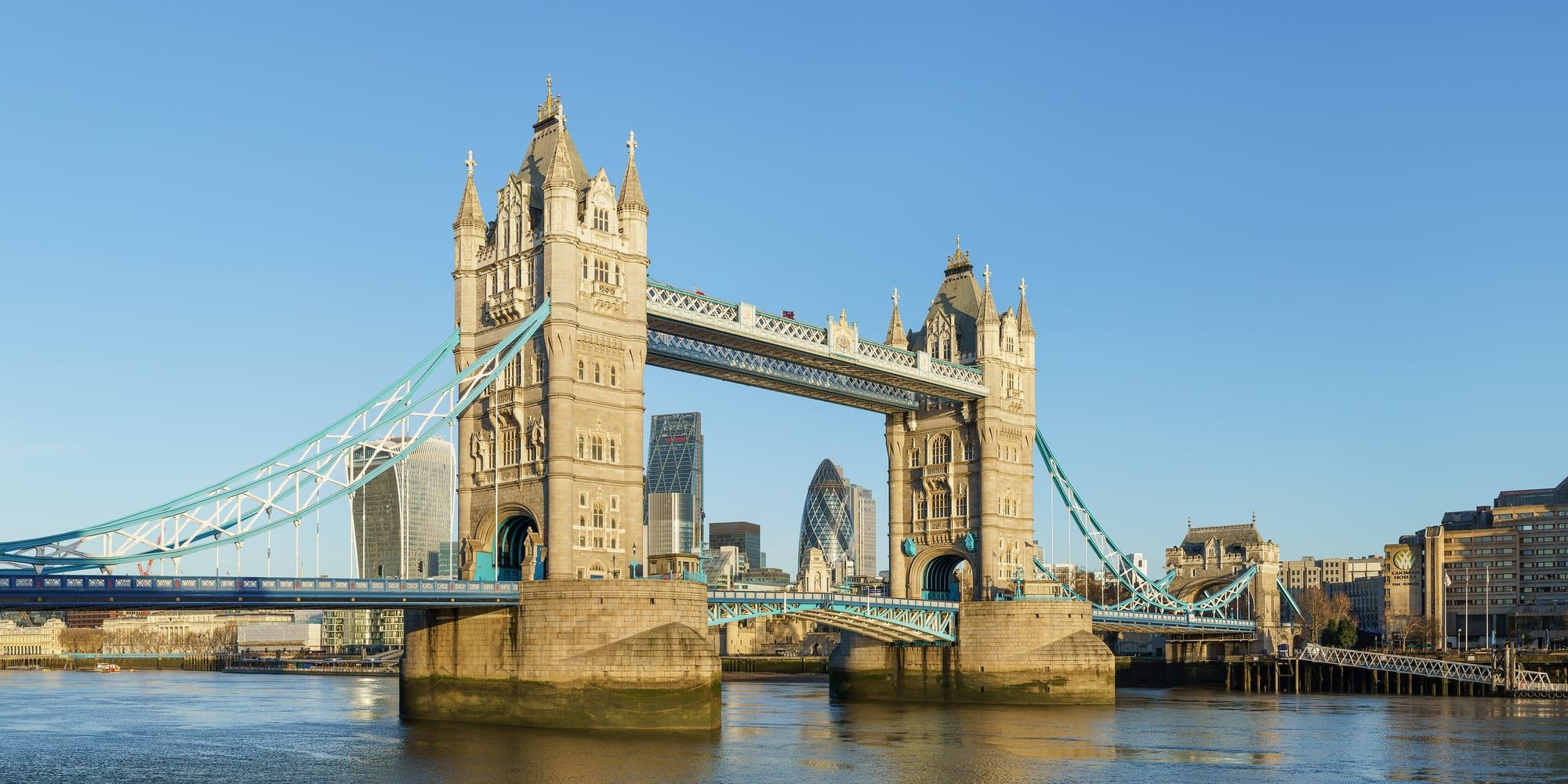
Be at the Tower of London when it opens and go straight to the Crown Jewels before the queue builds, then join one of the Yeoman Warder tours included in the ticket. Walk across Tower Bridge (the glass-floored walkway is a separate ticket) and follow the river west on the south bank. It is about 20 minutes on foot to Borough Market for lunch, next to Southwark Cathedral. Weekdays are calmer than Saturdays, and not every trader opens early in the week.
Keep walking west along the Thames path past Shakespeare’s Globe to Tate Modern, whose collection is free. The Millennium Bridge in front of it leads straight to St Paul’s Cathedral if you want to see the dome up close. End the day by carrying on along the South Bank to the London Eye for sunset over Westminster, about 25 minutes further on foot. For a free view from above, book a Sky Garden slot at 20 Fenchurch Street in advance (tickets are released in batches and go fast); it is a short walk from the Tower, so it fits best straight after your visit there.
Day 3: Bloomsbury and South Kensington
Spend the morning at the British Museum. Entry is free, and booking a free timed slot online saves time at busy periods. The Rosetta Stone, the Parthenon sculptures and the Egyptian mummies upstairs are the rooms that fill first, so do those early and save the quieter galleries for later.
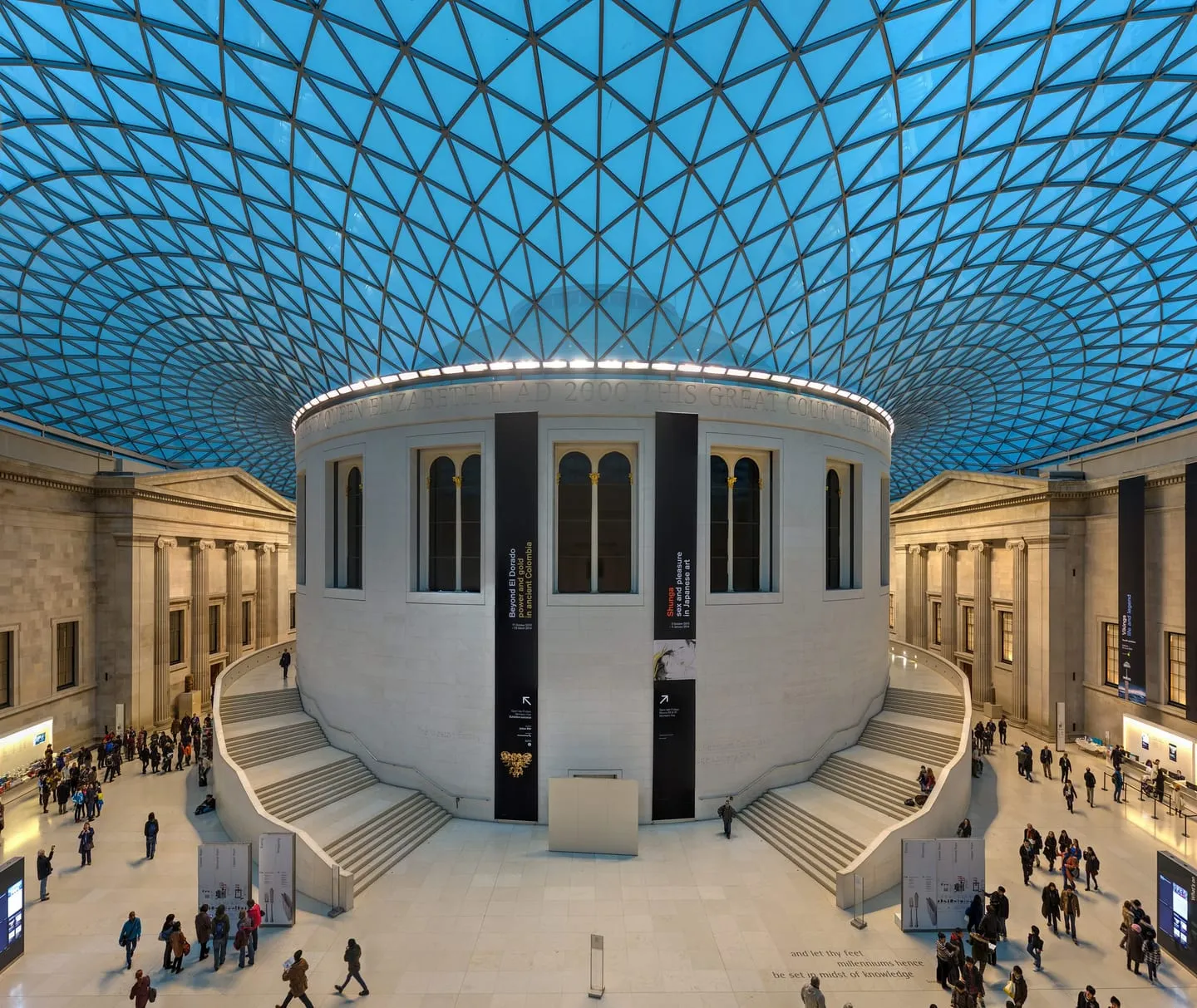 The Great Court, at the centre of the museum, is the largest covered public square in Europe, and every main gallery opens off it.
After lunch, take the Piccadilly line from Russell Square or Holborn to South Kensington, about 15 minutes. The Natural History Museum, the V&A and the Science Museum sit side by side on Exhibition Road and are all free; pick one, since a single museum fills an afternoon. Walk it off in Hyde Park and Kensington Gardens, past the Serpentine and the Albert Memorial, or head to Kensington Palace if you want one more royal interior (paid).
Day 4: Flexible day, Greenwich or Camden
For Greenwich, take an Uber Boat by Thames Clippers from Westminster or London Bridge pier downriver, a relaxed way to see the Thames skyline, or the DLR to Cutty Sark for a faster trip. The Royal Observatory and the Prime Meridian line need a paid ticket, as does the Cutty Sark, while the National Maritime Museum and the Queen’s House are free. Climb the hill in Greenwich Park for the view across to Canary Wharf and the City.
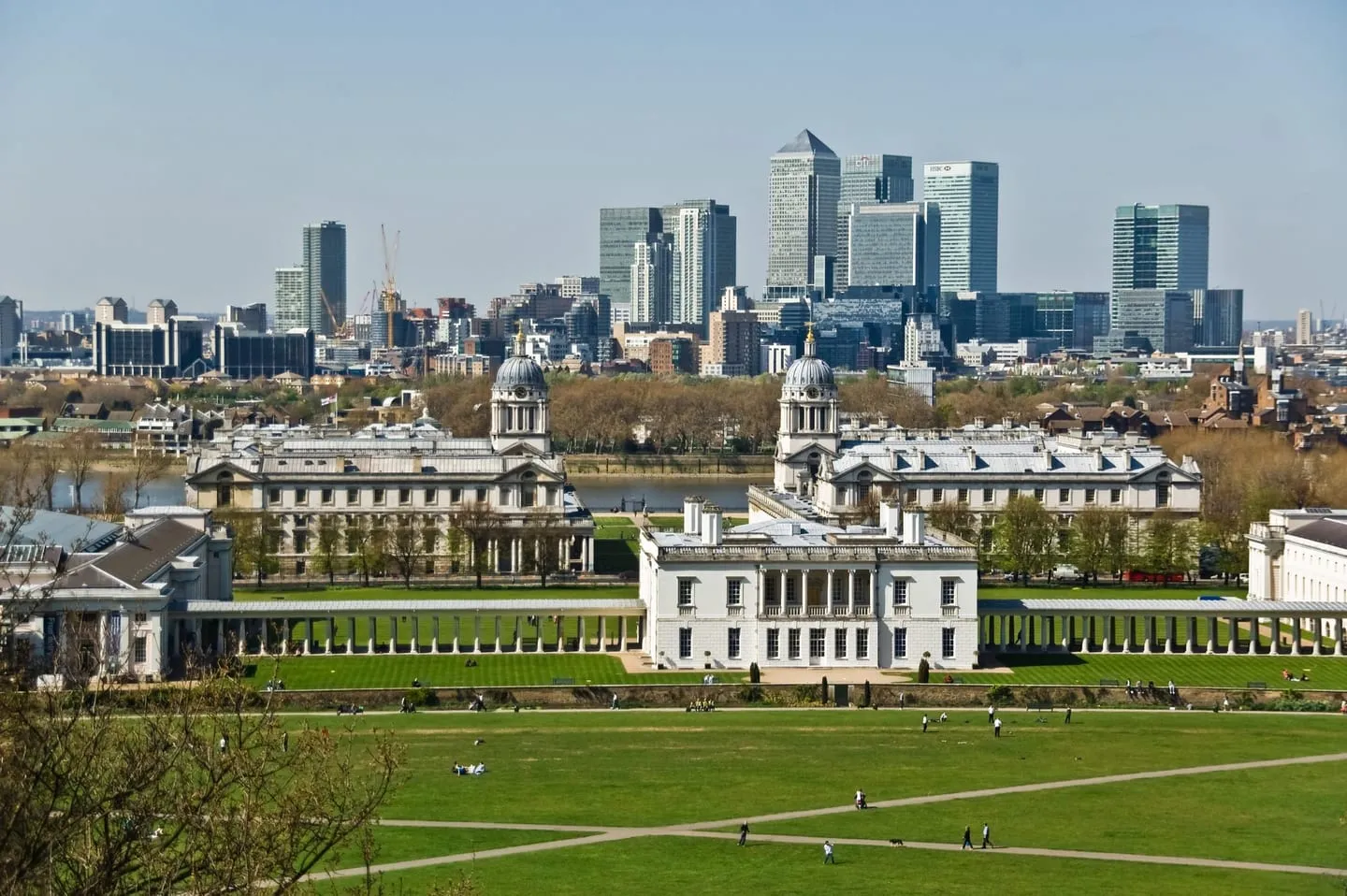 The best view is from the statue of General Wolfe beside the Royal Observatory, which is free to reach.
If markets and canals appeal more, spend the day in Camden instead: browse Camden Market in the morning, then walk the Regent’s Canal towpath west past Regent’s Park to Little Venice, roughly an hour on foot. On a Saturday, add Portobello Road in Notting Hill, where the antiques stalls are at their fullest. Rainy weather is also a good excuse to return to the museum you rushed on day three.
Practical tips
Tap in and out with a contactless card or phone on the Tube, buses and the Elizabeth line; fares are capped daily, so there is no need to buy a travelcard. From Heathrow, the Elizabeth line reaches central London in about 30 to 45 minutes and costs much less than the Heathrow Express. Avoid the Tube at weekday rush hours where you can, and use buses for short hops, which are cheap and give you a view.
Book Westminster Abbey and the Tower of London online before you go: it saves queueing and is often cheaper than paying at the gate, and prices change, so check them close to your dates. Most places in London are card-first and some are card-only, so you barely need cash. Hotels in the centre fill early for summer weekends, so book accommodation first, then build the days around it.


.jpg)
